Arthroscopic & Open Knee Surgeon Austin, Texas
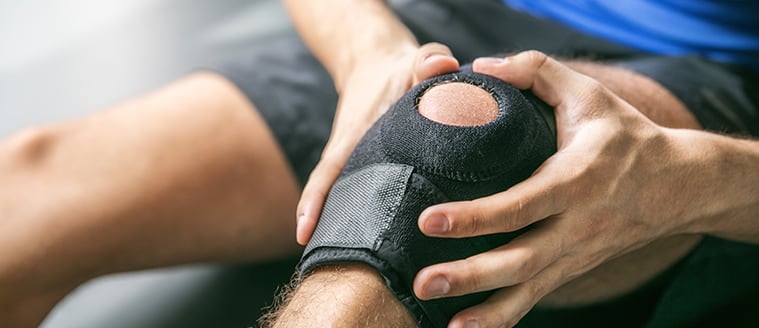
What Is Knee Orthopedic Surgery?
If you are experiencing knee pain or impaired mobility due to a knee condition, sports-related injuries, or other joint issues, arthroscopic and open orthopedic surgery may be a suitable treatment option when nonsurgical approaches, such as physical therapy, platelet-rich plasma (PRP) injections, or other conservative treatments in exercise medicine, are ineffective. A knee surgeon Austin patients trust can perform surgery either as traditional open orthopedic surgery or as an arthroscopic procedure, also known as knee arthroscopy, utilizing the latest technology and minimally invasive techniques.
The type of surgery your knee doctor Austin recommends will be based on your specific medical needs. Various factors, including the severity of your health issue, overall health, treatment history, and underlying conditions, impact the choice of surgical procedure. Some procedures may require full access to the joint to properly treat the condition, while others may be managed with minimally invasive techniques that promote faster recovery and less disruption to your life.
When Is Surgery Needed?
If you are experiencing knee pain or symptoms that are interfering with daily activities, arthroscopic and open knee surgery may be recommended when conservative treatment options, including physical therapy and patient care provided by experienced providers, are no longer effective. A skilled knee surgeon Austin, TX can diagnose and treat a wide range of knee-related injuries (including sports-related injuries) and complex conditions, including:
- Torn anterior cruciate ligament (ACL)
- Other ligament tears of the knee
- Torn meniscus
- Kneecap instability
- Sports injuries
- Knee arthritis including osteoarthritis and post-traumatic arthritis
- Cartilage damage or deterioration
- Chronic knee pain that has not responded to conservative care
Surgical procedures M. Tyrrell Burrus, MD, a board-certified knee specialist, performs for knee conditions include:
- ACL reconstruction
- Torn meniscus repair
- Meniscus removal (meniscectomy)
- Patellar treatment
- Removal of loose bone fragments or cartilage
- Knee dislocations
- Cartilage restoration
Understanding Common Knee Conditions That May Require Surgery
Knee injuries and degenerative conditions vary significantly in their severity, their impact on daily life, and whether surgery is the right solution. Here is what you should know about the most common conditions Dr. Burrus, a knee specialist, treats.
ACL Tears
The anterior cruciate ligament runs diagonally through the center of the knee and is the primary stabilizer against rotational force. ACL tears most commonly occur during sudden changes in direction, landing from a jump, or direct contact in sport. A complete ACL tear does not heal on its own. Without surgical reconstruction, the knee remains unstable, and repeated episodes of giving way accelerate damage to the meniscus and cartilage over time. Complex knee fractures may also require specialized surgical management in conjunction with ACL repair. ACL reconstruction replaces the torn ligament with a graft, typically taken from your own patellar tendon, hamstring tendon, or a donor source, and remains the gold standard treatment for active patients who want to return to sport.
Meniscus Tears
The menisci are two C-shaped pieces of cartilage that sit between the thigh bone and shin bone, acting as shock absorbers and stabilizers for the knee. Meniscus tears are among the most common knee injuries, occurring both in young athletes through twisting injuries and in older adults through everyday wear and degeneration. Not all meniscus tears require surgery. Many respond well to physical therapy and conservative care. When surgery is needed, the decision between repairing the tear and removing the damaged portion depends on the location, pattern, and blood supply of the tear. Dr. Burrus will review your MRI carefully and explain which approach gives you the best outcome, given the specific characteristics of your tear.
Knee Arthritis
Knee arthritis is the gradual breakdown of the cartilage that cushions the knee joint. When cartilage wears away completely, the result is bone grinding against bone, causing pain, stiffness, swelling, and difficulty moving that limits mobility. Arthritis is managed conservatively for as long as possible through physical therapy, weight management, anti-inflammatory treatment, and injections such as platelet-rich plasma (PRP) therapy. When these measures are no longer sufficient, knee replacement surgery removes the damaged joint surfaces and replaces them with a precisely fitted implant. Partial replacement is an option when arthritis is confined to one compartment of the knee. Total replacement addresses all three compartments and is one of the most successful procedures in orthopedic surgery, with outcomes that typically last 15 to 20 years or more. Complex knee fractures or periprosthetic fractures can complicate knee replacement surgeries and require specialized surgical management by an experienced knee specialist Austin.
Kneecap Instability
Patellar instability occurs when the kneecap repeatedly slips out of its groove at the front of the knee, either partially or fully dislocating. It is most common in younger, active patients and is often the result of an anatomical predisposition combined with injury. Repeated dislocations damage the cartilage on the underside of the kneecap and increase the risk of long-term arthritis. When conservative treatment and physical therapy do not resolve the instability, surgery to realign or reconstruct the supporting structures of the kneecap is highly effective.
Arthroscopic vs. Open Knee Surgery: What Is the Difference?
Knee surgery can be categorized into two main types: open surgery and arthroscopic surgery. Each type involves distinct approaches, advantages, disadvantages, recovery times, and outcomes. Robotic and minimally invasive approaches should not be the sole consideration for surgery. Platelet-rich plasma therapy (PRP) may also be suggested during the procedure to aid in healing and improve the recovery period.
Our practice provides quality care and utilizes advanced imaging like X-rays to assess and guide treatment plans.
From your first visit onward, every inquiry and need is answered by a helpful medical assistant, with support and confidence from our entire office staff and team dedicated to providing a positive and personable experience.
Arthroscopic Surgery
In a knee arthroscopy, your knee doctor in Austin makes small keyhole-sized incisions and inserts a thin, camera-equipped device into the joint. A monitor displays detailed images of the knee, allowing the doctor to assess damage, treat the affected area, and complete the necessary surgical procedure. This minimally invasive approach is often preferred for sports injuries or mild joint issues.
Open Surgery
Open surgery, like knee replacement or total joint replacement, typically involves your doctor making one large, complete incision or multiple small incisions to view the entire area of operation. Once the incisions are made, your doctor can directly view the surgical site and complete the procedure.
After open knee surgery or arthroscopic surgery, you can expect to experience slight postoperative pain, tenderness, and swelling around the knee joint or the site of surgery. Depending on the type of surgery and surgical procedure, recovery time will vary. Complications after knee replacement surgery may include infection, blood clots such as deep vein thrombosis (DVT), and knee stiffness.
Benefits Of Knee Surgery
Knee surgery may be beneficial if you have a knee-related condition and have tried conservative treatment options but are still experiencing symptoms that are interfering with your daily activities. Knee surgery can help:
- Restore quality of life and the ability to perform daily activities, especially when pain or instability has hurt your mobility
- Improve knee mobility and range of motion, allowing you to get back on the road to an active lifestyle
- Alleviate chronic knee pain that has not responded to other treatments, providing relief that many patients describe as amazing
- Correct structural problems that cannot heal without surgical intervention, such as ligament tears or cartilage damage
- Reduce the risk of further joint damage when addressed at the right time, taking into account your overall health and activity goals
When choosing a knee specialist Austin, it is important to consider the surgeon’s experience with your specific procedure. At our practice, we believe in full transparency and are happy to discuss our surgical outcomes and volume with you. We also recommend verifying your insurance benefits and network participation with our team before scheduling to ensure a smooth, stress-free process.
Who Is a Good Candidate for Knee Surgery?
The right surgical candidate is not defined by an MRI finding alone. Dr. Burrus, a board-certified knee surgeon Austin patients trust with extensive expertise in the field, considers the full picture of your knee pain, function, activity goals, and treatment history before making any recommendation. Here is how he approaches that evaluation.
Young and Active Patients
Athletes and younger active adults with structural injuries such as ACL tears, meniscus tears, or patellar instability related to sports injuries are often strong surgical candidates when the injury prevents a return to the activities they value and conservative care has not been sufficient. For this group, surgery is often not just about pain relief but about restoring the stability and function needed for sport and physical activity. The motivation to complete a rigorous rehabilitation program is an important factor in determining candidacy and predicting a good outcome.
Patients with Knee Arthritis
Knee replacement is typically appropriate for patients whose arthritis pain is severe enough to limit daily activities such as walking, climbing stairs, or sleeping, and who have not found adequate relief from conservative care, including Medicare-covered treatments. Age alone is not the determining factor. Younger patients with severe arthritis may qualify, and older patients with mild symptoms may not need surgery at all. Dr. Burrus, one of the highly experienced knee specialists in Austin, will assess your pain levels, functional limitations, and quality of life alongside your imaging to determine whether the timing is right.
When Surgery May Not Be Appropriate
Surgery may not be the right choice if you have not completed a meaningful course of conservative treatment, if your symptoms are mild and manageable, if underlying medical conditions elevate your surgical risk, or if you are not in a position to commit to the rehabilitation program that is essential for a successful outcome. Dr. Burrus will always recommend surgery with the person’s long-term wellbeing in mind, not as a default solution.
What to Expect: Before, During, and After Knee Surgery
Your Consultation
During your initial consultation, Dr. Burrus, an orthopedic professional in Austin, will take a detailed history of your symptoms, how the injury occurred, and what treatments you have already tried. He will perform a physical examination of the knee to assess stability, range of motion, and areas of tenderness. Imaging such as X-rays and MRI may be ordered to evaluate the joint surfaces, ligaments, menisci, and cartilage. He will explain your diagnosis clearly and walk you through all your options, including non-surgical paths, before discussing whether surgery is the right recommendation for you.
Preparing for Surgery
Before surgery, you will receive specific preparation instructions including any medication adjustments, fasting requirements from the night before, and guidance on arranging transportation and home support from family or friends during early recovery hours. Because the knee bears your full body weight, planning your home environment before surgery makes a meaningful difference in the first week. This may include arranging a shower chair, a raised toilet seat, or clearing pathways for crutch use to avoid any break or fall hazards. A pre-operative medical clearance may also be required.
The Day of Surgery and Immediate Recovery
Most knee procedures are performed as outpatient surgery, meaning you return home the same day. After the procedure, your knee will be wrapped in a compression bandage to control swelling, and you may have a drain or ice therapy device in place. Elevation of the leg is one of the most effective tools for managing swelling in the first week, and it matters more for knee surgery than almost any other joint because gravity works against you. Pain management instructions, weight-bearing restrictions, and wound care guidelines will be reviewed with you before you leave.
Recovery After Knee Surgery: What to Expect Week by Week
Recovery from knee surgery is directly tied to the type of procedure performed. Below are the general timelines for the most common knee procedures Dr. Burrus performs. Your personalized recovery plan may differ based on your specific situation.
After Arthroscopic Procedures (Meniscectomy, Loose Body Removal)
Week 1: Swelling control and protected weight bearing
Most patients bear weight with minimal assistance immediately after knee surgery. The focus is on icing, elevating the leg above heart level as much as possible, and completing gentle range-of-motion exercises. Swelling is the primary obstacle in the first week.
Weeks 2 to 4: Returning to normal walking
Crutches are typically discontinued within the first week to ten days. Physical therapy begins and focuses on restoring full range of motion and beginning light strengthening. Most patients with sedentary jobs can return to work within 1 to 2 weeks.
Weeks 4 to 8: Progressive strengthening and return to activity
Most patients return to light activity, driving, and non-impact exercise by weeks 4 to 6. Return to sport or physically demanding work typically occurs at 6 to 8 weeks for simple arthroscopic procedures, with careful consideration of individual recovery progress and activity goals.
After ACL Reconstruction
Weeks 1 to 2: Swelling, sling, and range of motion
The first priority is controlling swelling, which can be significant after ACL reconstruction. Crutches and a hinged brace are used. Regaining full extension of the knee in the first two weeks is critical and is a focus of early therapy.
Weeks 2 to 6: Gradual weight bearing and early strengthening
Crutches are gradually discontinued and strengthening exercises for the quadriceps and hamstrings begin. Walking normally without a limp is a key milestone in this phase.
Months 2 to 6: Building strength and neuromuscular control
This is the longest and most demanding phase of ACL recovery. Strength, balance, and movement control are all rebuilt progressively. Running typically resumes around month 3 to 4 when quadriceps strength is sufficient.
Months 6 to 12: Return to sport
Return to cutting, pivoting, and contact sports should not happen before 9 months and requires passing objective strength and movement tests. Returning too early is the leading cause of ACL re-tear. Dr. Burrus, a fellowship-trained knee surgeon Austin patients trust, and your physical therapist will use functional testing to determine when you are truly ready, not just a calendar date. It is also important to follow up with Dr. Burrus rather than mid-level providers to ensure the best outcome.
After Meniscus Repair
Weeks 1 to 6: Protected weight bearing
Meniscus repair requires the most protected recovery of all arthroscopic knee procedures because the repaired tissue must be shielded from compressive load while it heals. Crutches are used for 4 to 6 weeks and weight bearing is restricted. This is not negotiable. Loading the repair too early can cause it to fail.
Months 2 to 4: Gradual return to function
Physical therapy progresses from range of motion to strengthening once the repair is protected. Return to sport takes 4 to 6 months, longer than ACL reconstruction in some cases.
After Knee Joint Replacement
Days 1 to 3: Walking begins immediately
Knee replacement patients begin walking with assistance the day of or the day after surgery. Early movement is essential for preventing blood clots and maintaining range of motion in the new joint.
Weeks 2 to 6: Home and outpatient therapy
Most patients progress from a walker to a cane and eventually to independent walking within 3 to 6 weeks. Swelling can persist for several months and is a normal part of knee replacement recovery.
Months 3 to 6: Return to daily life
Most knee replacement patients return to driving within 4 to 6 weeks and to full daily activities by 3 months. Low-impact exercise such as walking, swimming, and cycling is encouraged long-term. High-impact activities are generally discouraged to protect the implant.
Risks and Complications of Knee Surgery
All surgical procedures carry risk. The specific risks for knee surgery include:
Deep Vein Thrombosis (DVT)
DVT is one of the most important risks associated with knee surgery and deserves specific attention. Because the knee is a weight-bearing joint and mobility is restricted during recovery, blood can pool and clot in the veins of the lower leg. Left undetected, a clot can travel to the lungs and become life-threatening. Dr. Burrus uses blood thinners, compression stockings, and early mobilization protocols to actively reduce this risk. Patients should know the warning signs: calf pain, swelling, redness, or warmth in the lower leg. Contact the office immediately if any of these occur.
Other Risks to Discuss with Dr. Burrus, a knee surgeon Austin
- Infection at the incision site or within the joint
- Persistent swelling or stiffness following surgery
- Nerve or blood vessel injury near the surgical site
- Incomplete healing or failure of the repair, particularly with meniscus repair or ACL reconstruction
- Adverse reaction to anesthesia
- For knee replacement: implant loosening, wear, or stiffness requiring revision surgery in the long term
Dr. Burrus will discuss the risks specific to your procedure during your consultation and will review the steps taken to minimize each one.
Nonsurgical Alternatives to Knee Surgery
Surgery is not the first answer for most knee conditions. Before recommending a procedure, Dr. Burrus will ensure that appropriate conservative options have been tried. These may include:
- A structured physical therapy program focused on strengthening the quadriceps, hamstrings, and hip muscles that support the knee
- Anti-inflammatory medications (NSAIDs) for pain and swelling management
- Corticosteroid injections for short-term relief of arthritis-related pain and inflammation
- Hyaluronic acid (gel) injections to improve lubrication in arthritic knees
- Platelet-rich plasma (PRP) therapy using your own blood’s growth factors to support tissue healing
- Activity modification and weight management to reduce load on the joint
- Bracing to offload a specific compartment of the knee or support an unstable joint
For degenerative conditions such as arthritis, these strategies can be effective for years before surgery becomes necessary. For structural injuries such as a complete ACL tear, the timeline is different, and Dr. Burrus, a board-certified knee surgeon with fellowship training in sports medicine and orthopedic care, will explain what is realistic for your specific injury.
What Our Patients Say About Knee Surgery with Dr. Burrus, a Knee Surgeon Austin, TX
Based on Dr. Burrus’ clinical experience treating knee surgery patients in Austin, Texas, here is what patients have shared about their care and outcomes.
“Dr. Burrus was very professional, thorough, and pleasant. I felt comfortable, assured he was giving me good advice, and that he was truly interested in my care.”
– R.H., Knee Surgery Patient
Dr. Burrus is the best. His skills in surgery helped me go from chronic knee pain to no pain and complete use of my knee again.
– Sue, Knee Surgery Patient
I really enjoyed working with Dr Burrus. He worked with me to come up with a plan for my knee. He is extremely thorough, takes time to address questions, and is available via email and calls for any follow up inquiries.
Before the surgery, he stopped by and explained the approach to my wife, pulling up images on his phone to not only explain but to point out the problem areas. I highly recommend him and the staff at OACT.
– Stephen, Knee Surgery Patient
Frequently Asked Questions: Knee Surgery in Austin, Texas
These are the questions knee patients ask most often. The answers below are designed to give you honest, specific information before your consultation with Dr. Burrus.
How long does ACL recovery actually take?
ACL reconstruction is one of the longer recoveries in orthopedic surgery. Most patients are on crutches for the first 2 to 4 weeks and in a brace for 4 to 6 weeks. Walking normally typically returns by 6 to 8 weeks. However, returning to competitive sport is a different milestone entirely. The graft used to replace the torn ligament needs time to integrate into the bone and mature, a process called ligamentization. Most athletes should not return to cutting, pivoting, or contact sport for 9 to 12 months. Returning too early significantly increases the risk of re-tear.
What is the difference between meniscus repair and meniscus removal?
These are two different procedures with very different long-term implications. Meniscus repair stitches the torn tissue back together and preserves the meniscus, which acts as a shock absorber for the knee joint. It requires a longer, more protected recovery of 4 to 6 months but gives the best long-term joint health outcome. Meniscectomy removes the torn portion of the meniscus and has a much faster recovery of 4 to 6 weeks, but removes tissue that cannot be replaced. Patients who have significant meniscus removed are at higher risk for developing knee arthritis later in life. Whether your tear can be repaired depends on its location, size, and blood supply. Dr. Burrus will evaluate your MRI and explain which option is appropriate for your specific tear.
I have bone-on-bone arthritis. Do I need a knee replacement surgery?
Not necessarily, and not right away. Knee replacement is generally reserved for patients whose pain is severe, persistent, and significantly limiting daily life despite a meaningful trial of conservative care. Many patients with bone-on-bone arthritis on imaging have surprisingly manageable symptoms and do well with physical therapy, activity modification, anti-inflammatory treatment, and joint injections for years before surgery becomes necessary. When surgery is appropriate, partial knee replacement is an option for some patients whose arthritis is limited to one compartment of the knee. Dr. Burrus will assess not just your imaging but your pain level, function, and quality of life before recommending surgery.
How long will I be on crutches after knee surgery?
It depends entirely on the procedure. After most arthroscopic procedures such as meniscectomy, many patients can bear weight the same day and are off crutches within a week. After ACL reconstruction, crutches are typically used for 2 to 4 weeks as the graft site heals. After meniscus repair, weight bearing is restricted for 4 to 6 weeks to protect the healing tissue. Knee replacement patients typically begin walking with assistance the day after surgery but may use a walker or crutches for 2 to 4 weeks. Dr. Burrus will give you a specific weight-bearing protocol based on your procedure.
My knee swells every time I exercise. Is that a sign I need knee surgery?
Recurring swelling after activity is your knee telling you something is structurally wrong. It often signals a torn meniscus, loose cartilage, a partially torn ligament, or early arthritis. In many cases, it can be managed conservatively with activity modification, strengthening, and anti-inflammatory treatment. But if swelling is consistent, accompanied by pain or instability, or has not improved with conservative care, it is worth getting an MRI to rule out a structural problem that surgery could address. Ignoring persistent swelling can allow underlying damage to worsen over time.
What is the biggest risk of knee surgery I should know about?
Deep vein thrombosis, or DVT, is one of the most important risks specific to knee surgery and is worth understanding before you have any knee procedure. Because the knee is a weight-bearing joint and movement is restricted during recovery, blood can pool in the veins of the lower leg and form a clot. Left untreated, a clot can travel to the lungs. Dr. Burrus takes DVT prevention seriously and will prescribe blood thinners, compression stockings, and early mobility protocols to reduce this risk. Knowing the warning signs, which include calf pain, swelling, or warmth, and contacting the office immediately if they occur is an important part of your recovery.
Can I get knee surgery and go home the same day?
Most arthroscopic knee procedures, including ACL reconstruction, meniscus repair, and meniscectomy, are performed as outpatient procedures, meaning you go home the same day. Knee joint replacement surgery traditionally required a hospital stay of one to two nights, though advances in surgical technique and pain management have made same-day or next-day discharge possible for select patients. You will need a responsible adult to drive you home and stay with you for the first day regardless of the procedure. Dr. Burrus will confirm the expected facility time for your specific surgery during your pre-operative appointment.
Will my knee ever feel completely normal again after surgery?
For most patients who undergo arthroscopic procedures like ACL reconstruction or meniscus repair, the goal is a full return to normal activity including sport, and most achieve it with proper rehabilitation. However, it is worth having realistic expectations. Some patients notice a slight difference in how the knee feels, particularly in high-demand activities, for a year or more after surgery as the graft matures or scar tissue settles. For knee replacement patients, the goal is a pain-free, functional knee for daily life rather than a return to high-impact sport. Dr. Burrus will set clear, honest expectations based on your specific procedure and starting point.
Have a question not answered here? Call Dr. Burrus’ office at (512) 324-9170 to speak with the care team or to schedule your consultation.
Say Goodbye to Knee Pain. Schedule Your Consultation With One Considered Among the Best Knee Surgeons with Best Patient Care in Austin, Texas
If you are experiencing knee pain or limited knee mobility, scheduling an appointment with a top-notch knee specialist in Austin is the first step toward finding relief. Dr. Burrus is a board-certified surgeon with fellowship training in sports medicine and orthopedic care, and a kind and friendly doc. Our extremely happy patients frequently recommend Dr. Burrus as a gifted surgeon with a great bedside manner and deep expertise. He provides top-notch, personalized services to every patient in the Austin area, including nearby communities like Round Rock, Lakeway, and Georgetown, listen carefully to your concerns and develops a treatment plan tailored to your needs.. His attentive office staff works diligently to minimize wait times and ensure that each visit is pleasant, efficient, and productive.
Contact our team at (512) 324-9170 with concerns and to schedule your consultation and start your path to recovery with expert orthopedic care in Texas.